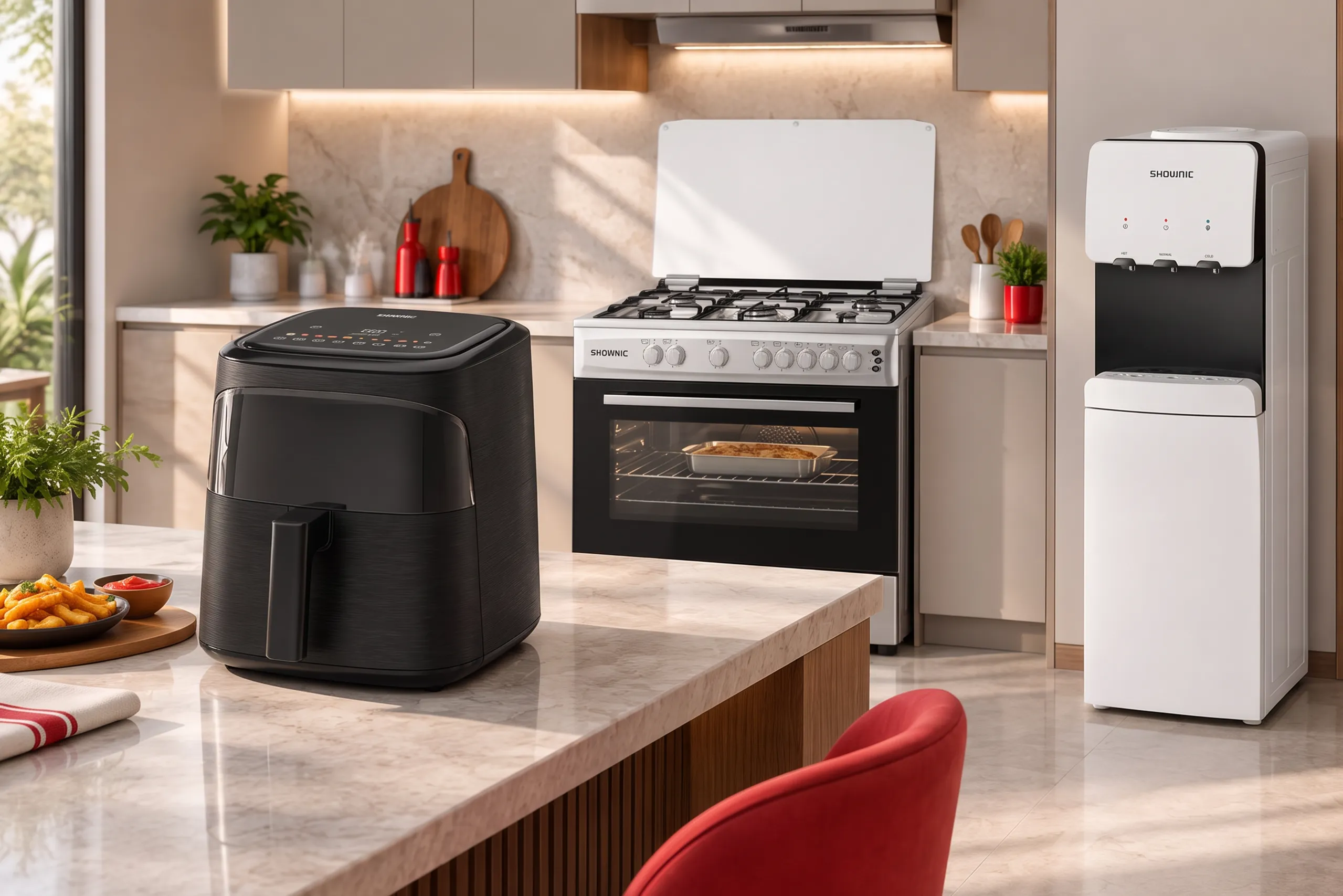
The UAE has set ambitious sustainability targets as part of its Net Zero 2050 strategy. As a homeowner or resident, choosing energy-efficient appliances is one of the most direct contributions you can make to these goals — while simultaneously saving money. Electricity costs in the UAE are subsidized compared to many global markets, but with air conditioning accounting for up to 70% of a typical household’s electricity consumption in summer, even a modest improvement in efficiency translates to meaningful savings over time.
Start with Your Air Conditioner — It Makes the Biggest Difference
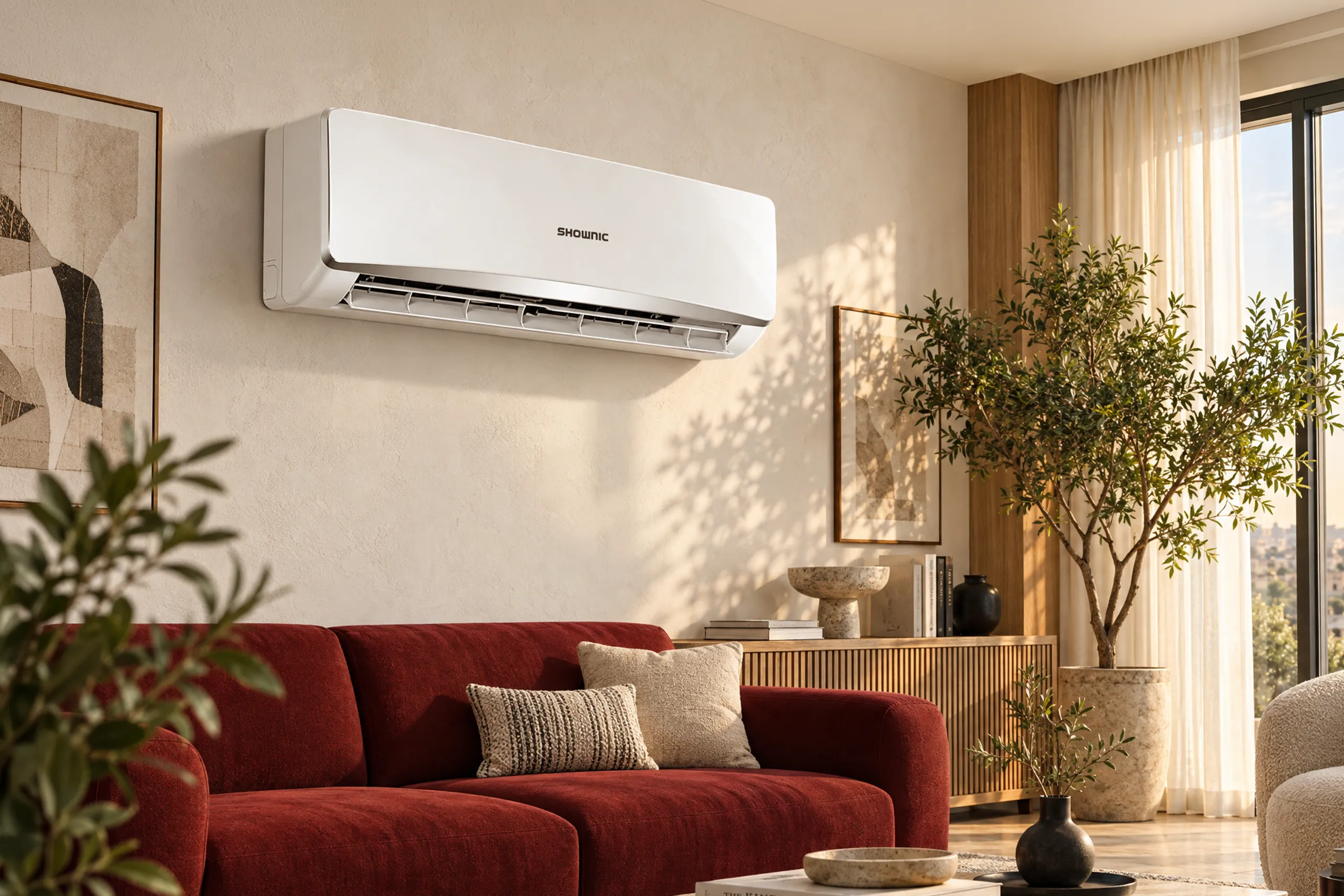
Given how much energy goes into cooling, upgrading to an inverter AC is the single highest-impact change most UAE households can make. A conventional fixed-speed AC compressor runs at full power until the set temperature is reached, then switches off completely. An inverter compressor, on the other hand, continuously adjusts its speed to maintain the temperature with minimal fluctuation. This means less energy wasted on repeated full-power startup cycles.The energy savings from switching to an inverter AC are typically between 30% and 50% on cooling costs alone. For a household running three air conditioners heavily for eight months of the year, that is a substantial annual saving.Energy Saving Quick Win: Set your AC thermostat to 24°C rather than 18°C. According to the UAE Ministry of Energy, every degree below 24°C increases energy consumption by approximately 6%. A 24°C setting feels perfectly comfortable and can save hundreds of dirhams annually.
Smart Thermostats and Scheduling
Many modern air conditioners come with built-in scheduling features that allow you to program the unit to switch on before you arrive home and switch off or reduce cooling when you are asleep or away. When combined with a smartphone app, this becomes even more powerful — you can adjust settings remotely if plans change.Smart thermostats that learn your patterns and preferences over time represent the next level of this technology. They analyze your routine and automatically optimize cooling schedules to minimize energy use without compromising your comfort.
Washing Machines: How to Wash Smarter
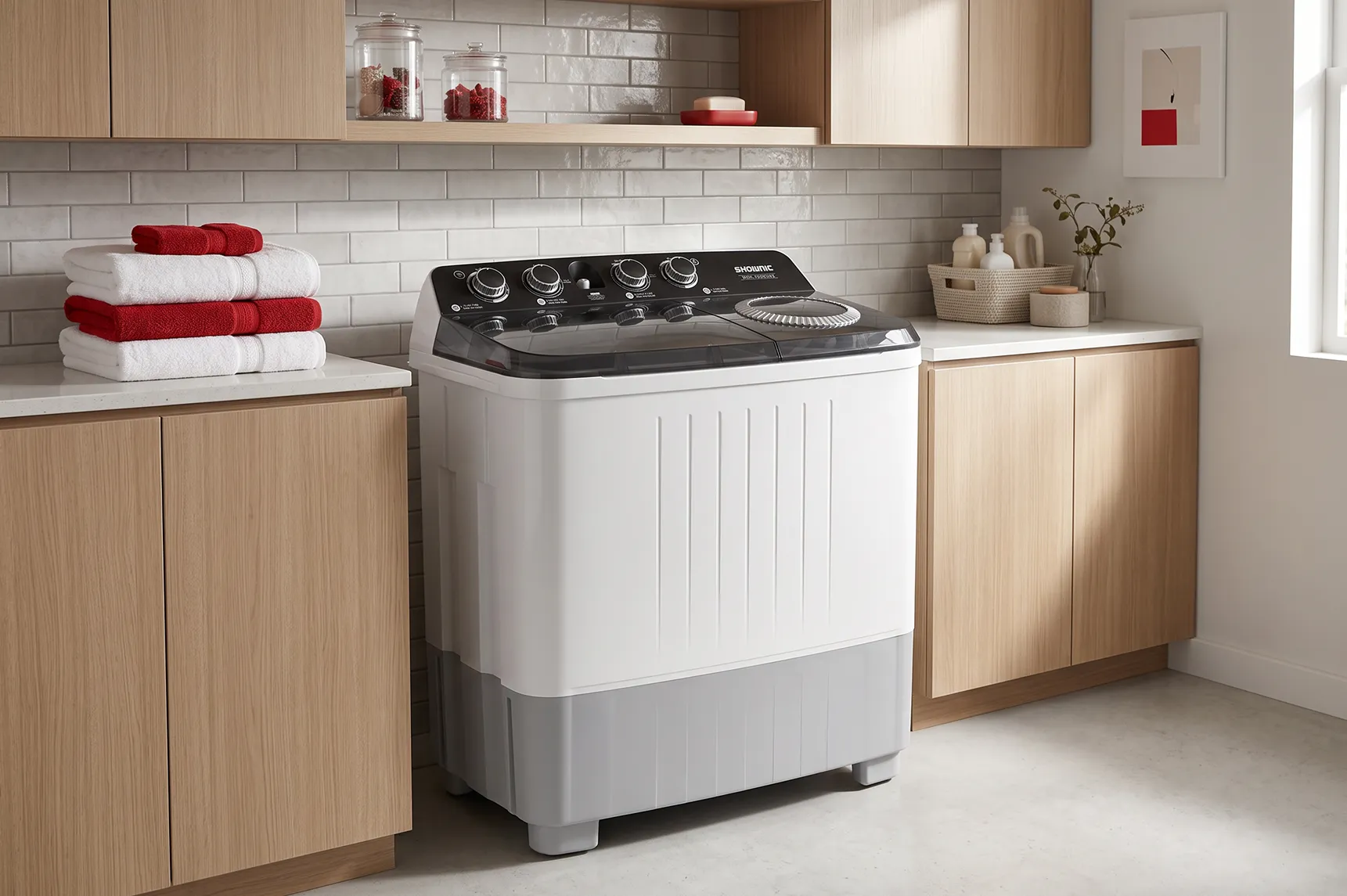
Your washing machine’s energy consumption is significantly influenced by how you use it, not just what model you own. These practical habits can make a real difference:Wash at lower temperatures whenever possible. Modern detergents are highly effective at 30°C and 40°C. Heating water accounts for approximately 90% of the energy a washing machine uses, so reducing wash temperature is one of the most impactful things you can do.Run full loads. A washing machine uses roughly the same amount of water and energy whether it is half full or completely full. Waiting for a full load before running a cycle significantly reduces the number of cycles you need and cuts both energy and water consumption.Use the Eco or Quick Wash program for lightly soiled items. These programs use less water and energy than standard cycles and are perfectly adequate for everyday clothing that has been worn once.
Refrigerator Efficiency: Small Changes, Big Impact
Your refrigerator is the one appliance that never switches off. Over a year, this constant operation can account for a significant portion of your electricity bill, which makes efficiency particularly important. Keep your refrigerator well-stocked but not overfull. A refrigerator that is too empty loses cold air rapidly every time the door is opened. One that is too full restricts airflow and makes the compressor work harder. A well-organized, moderately filled fridge is the most efficient.Check and replace door seals if they show any sign of deterioration. A compromised seal allows cold air to escape constantly, making the compressor run almost non-stop. Test your door seal by placing a piece of paper in the closed door — if it slides out easily, the seal needs replacing. Set your refrigerator to 3-5°C and your freezer to -18°C. These are the ideal temperatures for food safety and energy efficiency. Going lower than these settings provides no additional benefit and wastes significant energy.
Smart Plugs and Standby Power
Standby power — the electricity consumed by devices that are plugged in but not actively in use — accounts for a surprisingly large amount of wasted energy. Televisions, set-top boxes, gaming consoles, and phone chargers all draw power when on standby. Smart plugs allow you to schedule devices to cut power completely during hours when they are not needed, such as overnight or during work hours. A smart power strip can switch off multiple devices simultaneously when the main device (such as your TV) is turned off, eliminating standby waste across your entire entertainment system.
Choosing Energy-Efficient Appliances: What to Look For
When shopping for new appliances, always check the energy label. In the UAE market, appliances carry ratings from G (least efficient) to A (most efficient), with some premium products achieving A+ or A++ ratings. While higher-rated appliances often cost more upfront, the reduction in running costs typically pays back the price difference within two to three years.Also look for appliances with eco modes, load-sensing technology, and smart scheduling capabilities. These features work together to minimize energy use in real-world conditions, not just in laboratory tests.
The Bottom Line
Saving energy at home is not about drastic lifestyle changes — it is about making smarter choices when buying appliances and adopting a few practical habits in how you use them. The technologies available today make it genuinely achievable to reduce your home energy consumption by 30 to 50% without any reduction in comfort.At Shownic, all of our featured products are selected with energy efficiency as a core criterion. Our specialists can help you calculate the running cost of any appliance we carry and compare it against your current model. Visit shownic.com or our Dubai showroom to find out more.